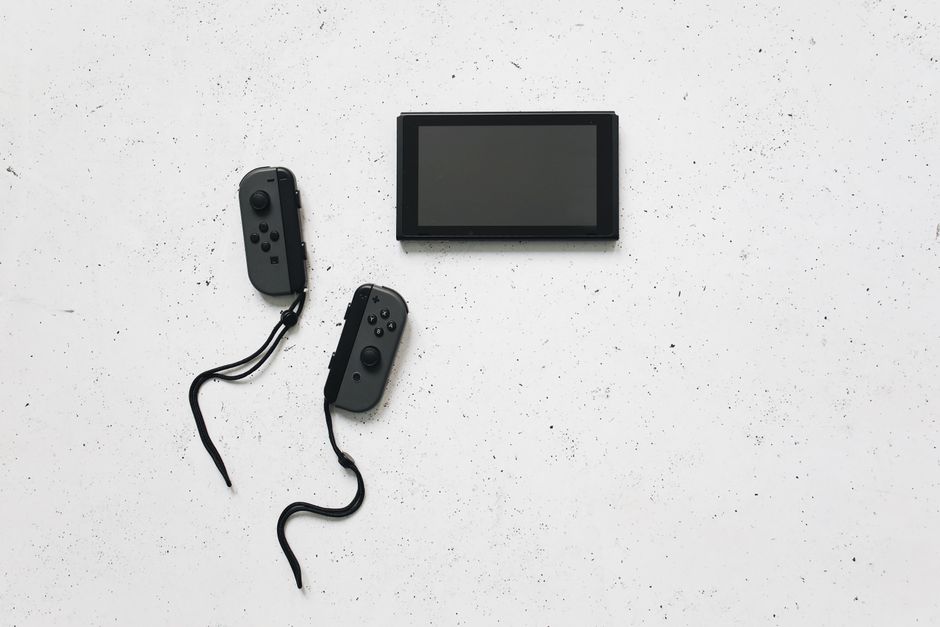
Every serious gamer eventually hits the same wall: a backlog the size of a small country, a wishlist that never shrinks, and a wallet that keeps taking hits. Before you click 'buy' on your next title, it's worth running a quick audit of what you already own. This checklist will help you spend smarter, play more intentionally, and stop letting great games collect digital dust.
**1. Export or manually list everything you own across every platform.**
Most major PC storefronts let you view your full library in a list view. Console dashboards do the same. Write it all down — or use a third-party library tracker — so you can see the complete picture in one place. It's almost always larger than you remember.
**2. Sort by 'never launched' and 'under two hours played.'**
These are your true blind spots. A game you bought two years ago and never opened costs you money every time you buy something new instead of trying it. Flag every title in both categories. That list alone will likely fill your gaming schedule for the next several weeks.
**3. Check for genre and format overlap.**
Do you own four open-world action RPGs and no time to finish any of them? Recognizing your pattern stops you from buying a fifth. Variety in format — a shorter roguelite alongside a long narrative RPG — often means higher completion rates across your library overall.
**4. Cross-reference your wishlist against seasonal sales and subscription services.**
Before purchasing anything at full price, check whether it has historically appeared in sales or is currently available through a subscription you already pay for. Many titles rotate through gaming subscription catalogs regularly, and buying something you could have accessed for free is an easy mistake to avoid.
**5. Assess your actual playtime window honestly.**
A 60-hour RPG sounds exciting until you realize you have about four free hours a week. Matching game length to your real schedule — not your ideal schedule — is one of the most underrated purchasing decisions you can make. ShazGear's performance tracking tools, if you use them, can give you a surprisingly honest look at your actual weekly session data.
**6. Set a 'one in, one out' rule for future purchases.**
Commit to finishing or consciously retiring one backlog title before you add a new one. It's a simple rule, but it fundamentally changes how you evaluate a new game's value versus what's already waiting for you.
**7. Archive, don't delete, the games you're setting aside.**
If a game isn't calling to you right now, uninstall it to free up storage but keep it in your library. Revisiting a title months later with fresh eyes is often a completely different experience.
Running this audit takes maybe thirty minutes. What it gives you back is clarity — and probably the realization that your next great gaming experience is already sitting in your library, waiting.