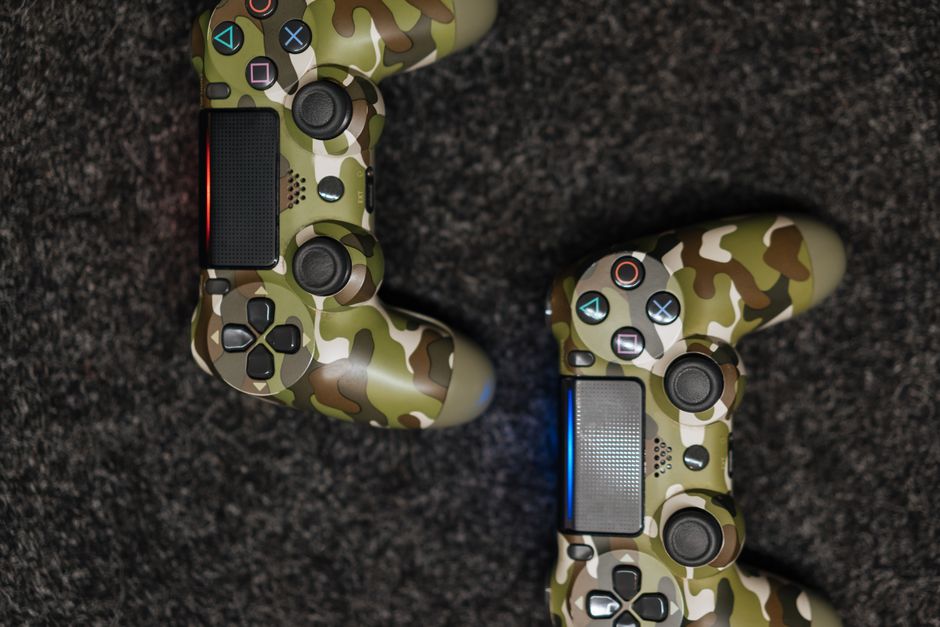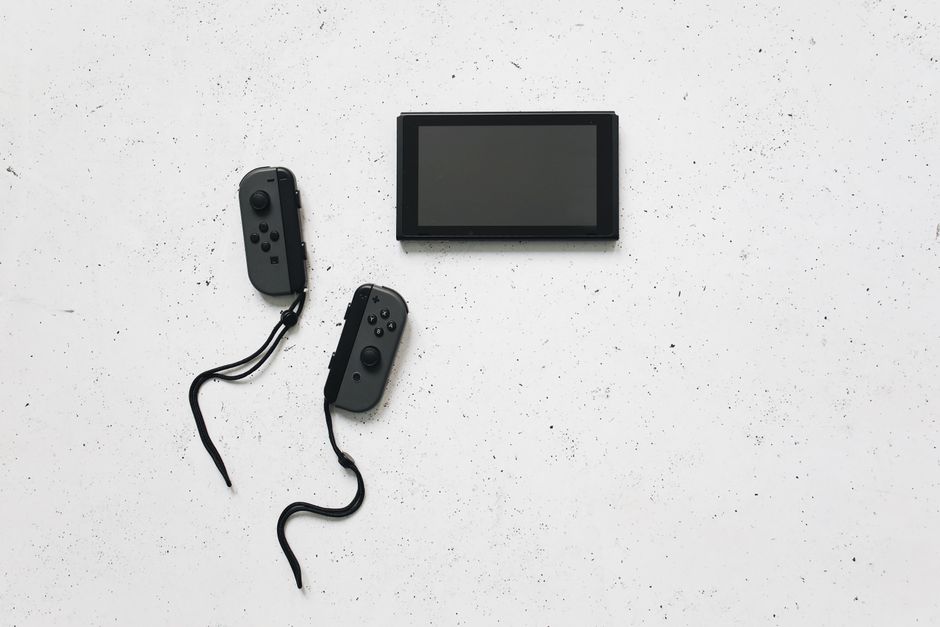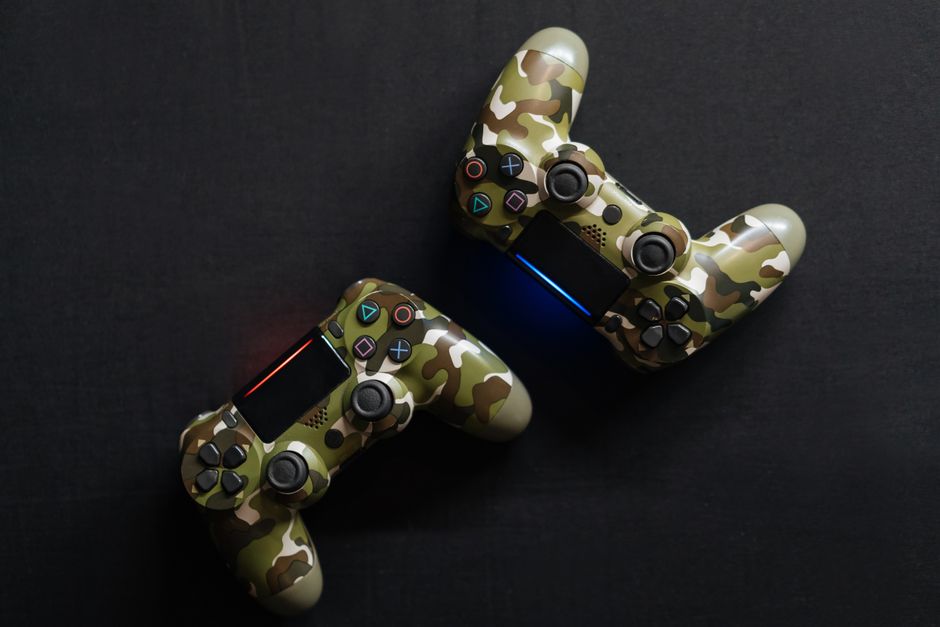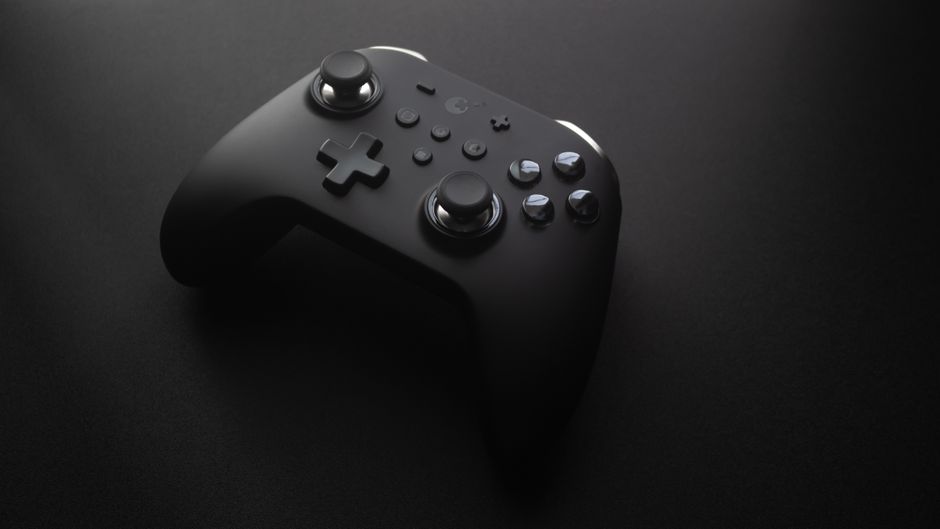
There is a term that veteran developers use constantly and that most players never consciously register: game feel. It refers to the tactile, almost physical sensation you get when you interact with a game — the weight of a jump, the snap of a melee hit, the way a car resists your steering input before it finally yields. It is not graphics. It is not story. It is not even sound design, though sound plays a huge role in it. Game feel is the invisible handshake between player and system, and our position is clear: it is the single most important quality that separates a game you finish from one you abandon after two hours.
Here is the uncomfortable truth. Game feel is almost impossible to describe in a preview, a screenshot, or a trailer. It only reveals itself through your hands. This is precisely why so many players struggle to articulate why a highly rated game left them cold, or why an objectively simpler title became their most-played game of the year. When something feels right, you do not notice it. When it feels wrong — when a character floats a half-beat too long at the peak of a jump, or when a weapon impact registers with all the drama of clicking a spreadsheet — you feel it in your gut before your brain has time to name it.
The mechanics behind game feel are genuinely complex. Animation timing, input buffering, controller rumble patterns, screen shake, particle density, audio transients, and frame pacing all contribute to it simultaneously. Adjust one and you shift the whole equation. Studios that do this well tend to be obsessive about iteration — running internal playtests specifically focused on how movement feels before a single piece of narrative is in place. Some of the most beloved action games in recent memory were praised first and foremost by their own development teams not for their world-building, but for how good it felt to simply move through that world.
What makes this topic pressing right now is that the industry's current obsession with feature lists and production scale is actively working against game feel. Bigger open worlds, more branching dialogue, denser UI overlays — all of these can dilute the tight, deliberate feedback loops that make a game feel alive. The games cutting through the noise in 2026 are often the ones where a small, focused team chose responsiveness over spectacle.
If you are evaluating a new title and want an honest gut check, ignore the resolution and the runtime. Find a demo, pick up the controller or settle your hands on the keyboard, and ask one question: does this feel good to do? That answer will tell you more than any review score.