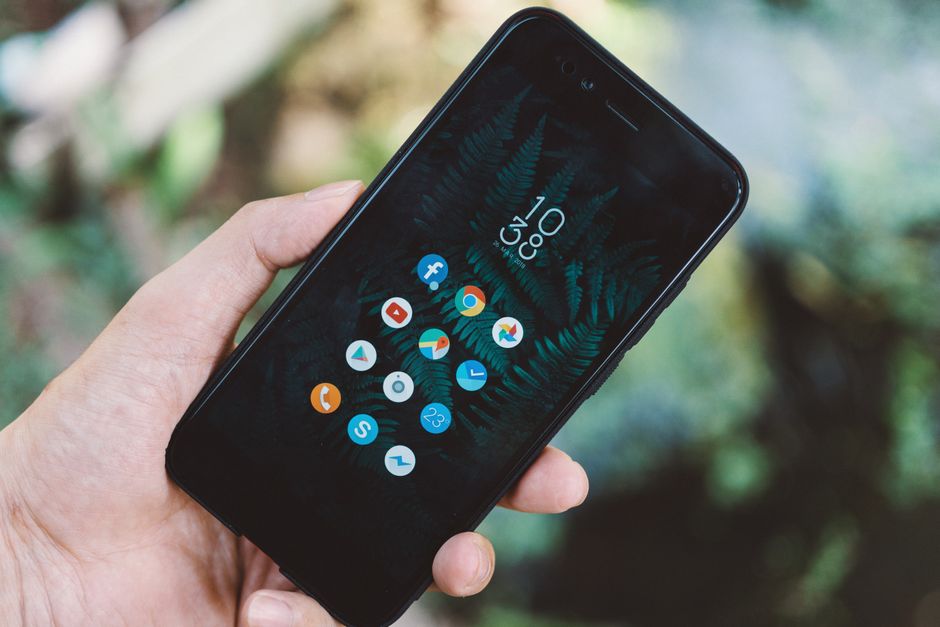
There is a quiet arms race happening inside every major smartphone launch cycle, and it has almost nothing to do with what most people actually want from their phones. Manufacturers have become obsessed with shaving fractions of a millimeter off device thickness, treating single-digit depth figures as proof of engineering ambition. It is a compelling story to tell at a press event. It is a less compelling story when your phone bends in a back pocket or its battery lasts until 4 PM.
Let's be clear about what aggressive thinness costs. Thinner profiles mean smaller battery cells, full stop. Physics does not negotiate. It also means less thermal headroom, which forces chipsets to throttle sooner under sustained loads. It means camera modules that protrude so aggressively they rock on a flat surface without a case — which, ironically, every owner then immediately adds, making the entire thinness exercise pointless in real-world conditions. When a phone is so thin that it ships with a bumper case in the box, you have designed yourself into a contradiction.
The frustrating part is that the engineering talent is clearly there. The same teams producing impossibly thin chassis are simultaneously advancing periscope camera systems, under-display hardware, and sophisticated vapor chamber cooling. That talent is being directed, at least in part, toward a specification that moves the needle for marketing rather than for the person using the device at hour fourteen of their day.
What would a genuinely user-first approach to thinness look like? A device that stops at a thickness which accommodates a flat camera module and a battery large enough to genuinely last a full day under real usage — not controlled lab conditions — would be a more honest product. A few extra grams of weight is not a dealbreaker. A phone that is dead by dinner is.
This is not a nostalgic argument for thick, heavy hardware. Modern materials science has given us phones that feel premium at reasonable dimensions. The goal should be optimized, not minimized. Thin enough to feel elegant, substantial enough to actually work. Those are not opposing ideas.
At ShazConnect, where we spend a lot of time thinking about how devices behave across extended real-world use rather than spec sheet comparisons, the question we always come back to is simple: does this make life better for the person holding it? Right now, the thinness race answers that question for the reviewer, not the user. It is time the industry reordered those priorities.