There is a quiet consensus forming in the smartphone industry, and if you have been shopping for a flagship recently, you have probably felt it without quite being able to name it. Optical zoom used to be a feature that separated the best phones from the rest by a matter of degree. Today, folded optics — specifically periscope telephoto lenses — have turned that gap into a canyon, and the argument over whether they matter has already been settled. They do, decisively.
The physics of a conventional smartphone camera are brutally limiting. A traditional telephoto lens needs physical depth to achieve meaningful magnification, and smartphones simply do not have it. The solution engineers landed on is elegant in its simplicity: tilt the light path ninety degrees using a prism or mirror, run it along the length of the phone body rather than through its thickness, and suddenly you have the room to achieve optical zoom levels that were unthinkable in a device thin enough to fit in your pocket. That is the core idea behind a periscope lens, and it works.
The results speak loudly. Phones equipped with periscope systems routinely achieve true optical zoom in the five-times to ten-times range, with some flagship designs pushing meaningfully beyond that. More importantly, the image quality at distance is categorically different from what digital cropping or conventional telephoto modules can deliver. Fine detail, subject separation at range, and low-light telephoto performance all improve in ways that no amount of computational photography can fully compensate for when the underlying optics are inadequate.
This matters beyond photography enthusiasts. Periscope zoom has genuinely changed how people document their lives. Concert footage, travel imagery, wildlife moments, sports events — all of these benefit from a lens system that can reach across a room or a stadium without introducing the smeared, artifact-heavy look of a heavily cropped sensor. At ShazConnect, where the team follows mobile communications and device trends closely, the shift in how users talk about camera capability has been notable: zoom is now a primary consideration, not an afterthought.
The argument against periscope lenses typically centres on cost and bulk. Both are real concerns. A periscope module adds to a phone's price and can contribute to camera bump size. But costs have been falling steadily as manufacturing scales, and the bump is now a broadly accepted trade-off across the flagship segment.
The honest conclusion is this: if you are evaluating a flagship smartphone in 2026 and it lacks a periscope telephoto, you are accepting a meaningful optical limitation. That may be a perfectly reasonable choice for your needs. But go in knowing what you are leaving behind.
Smartphones
The Periscope Lens Takeover: Why Folded Optics Have Already Won the Smartphone Camera War
October 28, 2026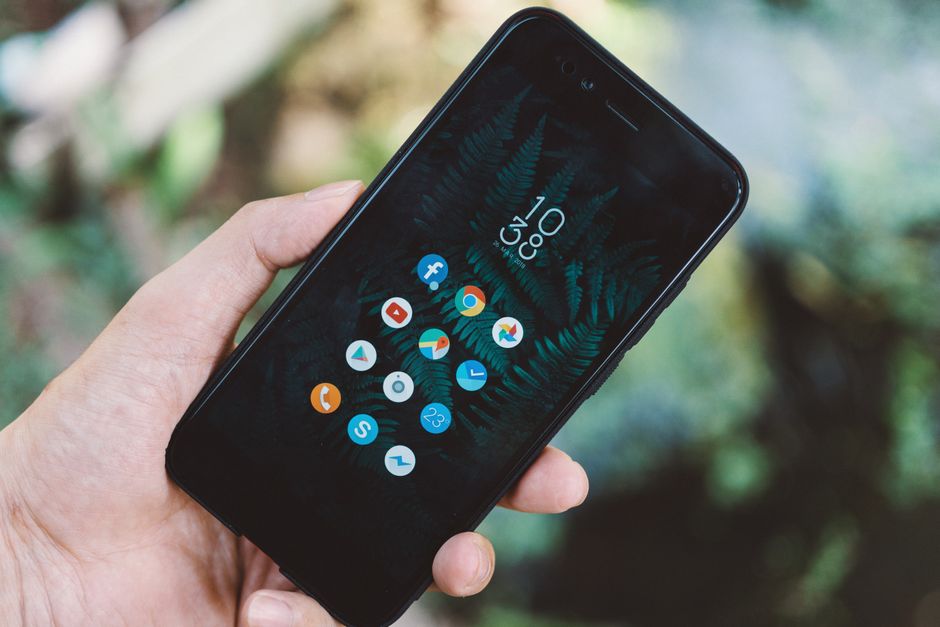
Related in Smartphones
Oct 21, 2026
What to Know Before You Switch to an eSIM-Only Smartphone
The physical SIM card has been a fixture of mobile life for decades. You pop it in, your phone conne…
Read More →
Oct 15, 2026
The Battery Life Renaissance: Why Smartphones Are Finally Lasting More Than a Day
For most of the smartphone era, battery life was the industry's quiet embarrassment. Manufacturers c…
Read More →
Oct 11, 2026
How Smartphone Cameras Actually Focus So Fast — The Science Behind Autofocus
You raise your phone, tap the screen, and in a fraction of a second the scene snaps into crisp focus…
Read More →