There is a moment in almost every game where the difficulty stops matching the player. Sometimes the challenge evaporates and boredom creeps in. Other times a wall appears out of nowhere and the experience becomes frustrating rather than fun. For decades, developers addressed this with a simple dropdown menu — Easy, Normal, Hard — and left the rest to the player. That approach is aging fast.
Adaptive difficulty, sometimes called dynamic difficulty adjustment (DDA), is the idea that a game should quietly observe how you are playing and reshape its challenge in real time to keep you in what psychologists call the flow state — that sweet spot between too easy and too hard. It is not a new concept, but the sophistication with which studios are now implementing it marks a genuine shift in game design philosophy.
Early versions were blunt instruments. Some racing games from the early 2000s would simply slow down AI opponents if you fell too far behind. Players noticed, felt patronized, and the technique earned a bad reputation. Modern implementations are far more nuanced. Rather than tweaking a single variable, contemporary systems monitor dozens of signals simultaneously — your accuracy, your movement patterns, how often you die in a specific area, how long you spend exploring versus pushing forward — and then make subtle, layered adjustments that most players never consciously detect.
What has changed recently is the integration of machine learning into these systems. Instead of a developer manually scripting rules like "if the player dies three times, reduce enemy health by 10%," ML-driven DDA can identify patterns across a player session that no single human designer would think to anticipate. The game essentially builds a behavioral model of you as an individual and responds accordingly.
This has real implications beyond single-player campaigns. Puzzle games can recalibrate hint frequency. Open-world titles can quietly adjust enemy spawn rates in regions where a player keeps getting overwhelmed. Even narrative-driven experiences are experimenting with pacing adjustments based on engagement signals.
The design challenge is transparency. Players have a complicated relationship with difficulty. Many want to feel they earned their progress. If a system is making the game easier behind the scenes, does that undermine the sense of achievement? Studios are increasingly wrestling with that question, and some are choosing to give players explicit control over adaptive systems rather than hiding them entirely.
As hardware becomes more capable of running richer behavioral models locally on-device — something relevant to anyone following developments in on-device processing — the ceiling for what adaptive difficulty can do is rising quickly. The games that crack this problem elegantly will not just be more fun. They will be more accessible, more forgiving to new audiences, and ultimately more human in how they respond to the person holding the controller.
Gaming Insights
The Quiet Revolution of Adaptive Difficulty: How Games Are Learning to Read You
October 6, 2026
Related in Gaming Insights

Oct 15, 2026
How Shader Compilation Actually Works — And Why It Causes Those Stutters in New Games
If you have ever launched a brand-new game, cranked up the settings, and been met with jarring half-…
Read More →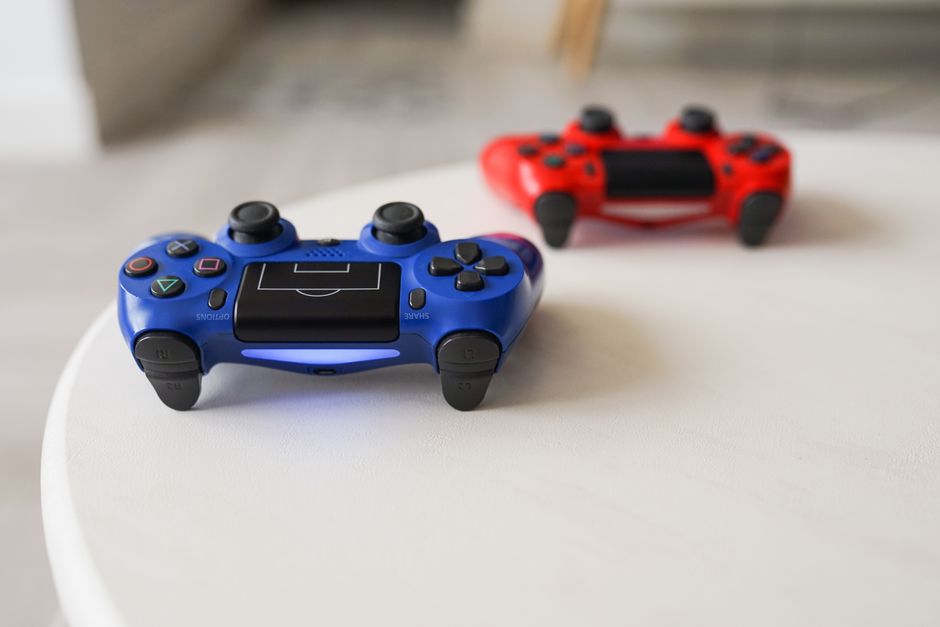
Oct 13, 2026
How to Set Up Your Gaming Space for Long Sessions: A Practical Checklist
Most gaming upgrades happen on the screen or inside the case. The chair, the lighting, the desk layo…
Read More →
Oct 10, 2026
5 Myths About Game Difficulty Settings That Most Players Still Believe
Difficulty settings are one of the oldest features in gaming, yet they remain one of the most misund…
Read More →