For a long time, the word "coach" in esports felt like a courtesy title. Someone who reviewed VODs, maybe called out rotations, and stood quietly behind players during LAN events. That image is changing fast, and the shift is reshaping how organizations think about performance, longevity, and the business of winning.
Across the major titles — from tactical shooters to MOBAs and battle royales — structured coaching roles have multiplied significantly over the past few years. Top-tier organizations now employ tiered coaching staffs that mirror traditional sports setups: head coaches, assistant coaches, mental performance coaches, and dedicated analysts who do nothing but crunch replay data. What was once a one-person job has quietly become a department.
The reason is straightforward. As prize pools have grown and franchises have attached real commercial value to their rosters, losing becomes expensive. Organizations can no longer afford to rely purely on raw individual talent and hope the team gels naturally. Systematic development — structured practice blocks, individual skill reviews, team communication drills — has moved from a nice-to-have to a competitive necessity. The teams consistently reaching finals in the biggest tournaments are almost always the ones with the deepest support infrastructure behind them.
What makes this trend particularly interesting is the pipeline it is beginning to create. Retired players who understand the meta at a professional level are transitioning into coaching roles rather than disappearing from the scene entirely. This keeps institutional knowledge inside the ecosystem and gives younger rosters access to experience they simply could not buy any other way. Some organizations are even partnering with universities and academies to formalize coaching education, building curricula around game theory, sports psychology, and data interpretation.
The data side deserves special attention. Performance analytics in esports have grown enormously sophisticated. Coaches today work with positional heatmaps, economy trackers, and real-time communication logs to identify patterns that are invisible to the naked eye during live play. Teams that invest in this infrastructure gain a measurable edge in preparation, especially ahead of high-stakes tournaments where opponent tendencies can be studied and countered in advance.
For anyone in the ShazEsports community who loves competitive gaming but wonders whether there is a place for them beyond playing, coaching is a genuinely viable answer. The career path is young, the demand is growing, and the tools available to coaches today are more powerful than ever. The era of esports coaching as a serious profession is not approaching — it is already here.
Esports
Why Esports Coaching Is Becoming a Legitimate Career Path — And What That Means for Competitive Gaming
September 29, 2026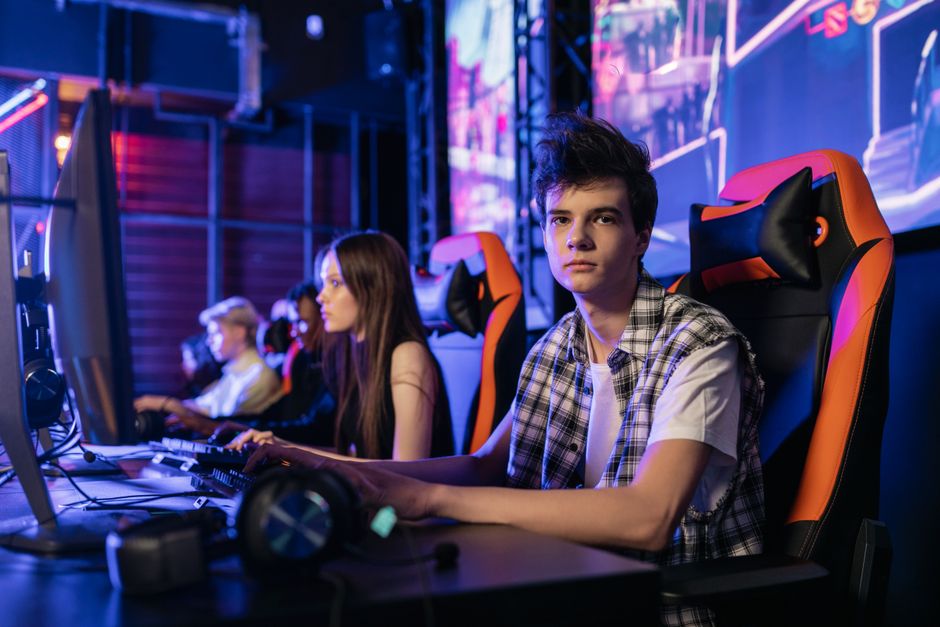
Related in Esports
Oct 14, 2026
How Replay Systems Actually Work — The Technology That Lets Esports Analysts Rewatch Every Frame
If you have ever watched a post-match breakdown from a professional esports analyst, you have witnes…
Read More →
Oct 5, 2026
How Anti-Cheat Software Actually Works — And Why It's One of Esports' Hardest Problems
Competitive integrity is the foundation everything in esports is built on. Without it, tournaments l…
Read More →
Oct 2, 2026
What Is a Tournament Bracket — And How Does It Actually Work in Esports?
If you've ever watched a major esports event and felt lost the moment the bracket appeared on screen…
Read More →