The input device sitting between you and your game is not a neutral piece of hardware. It shapes reaction times, muscle memory, and even which genres feel rewarding to play. With more games now shipping with full support for multiple input methods, the choice has never been more personal — or more consequential. Here is how the three most common options actually compare.
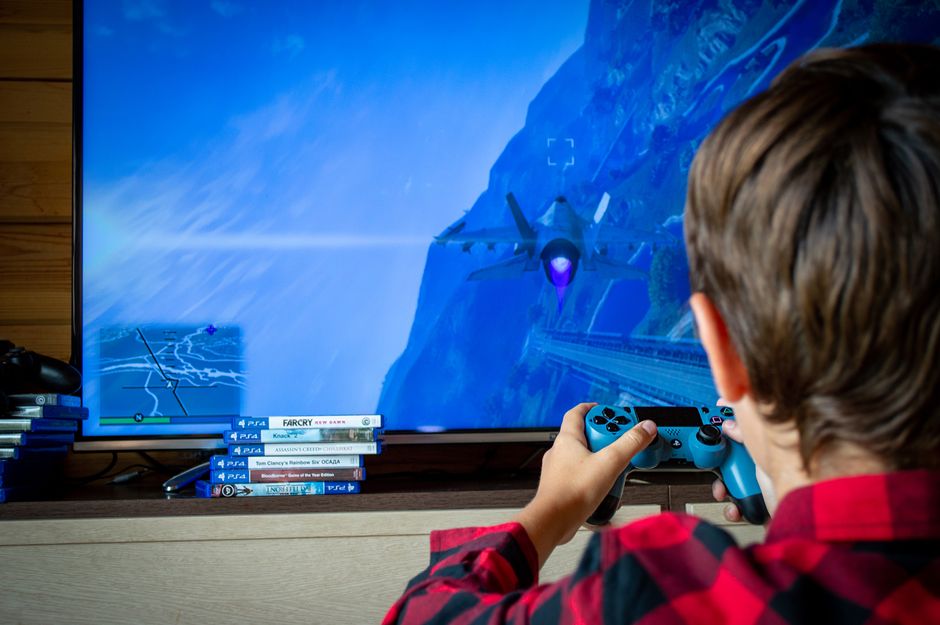
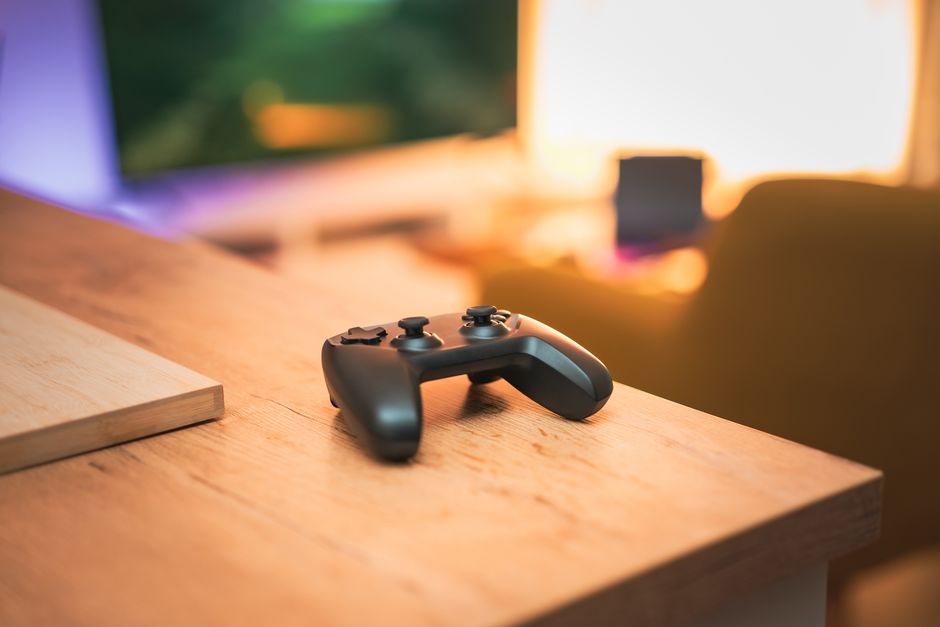
The controller is the default for a reason. Its symmetrical layout, analog sticks, and trigger buttons map naturally onto third-person action games, racing titles, platformers, and sports games. The analog depth of a thumbstick — the ability to move a character at a half-tilt rather than a binary on-or-off — is genuinely difficult to replicate on other hardware. Controllers are also ergonomically forgiving for long sessions, since your hands wrap around a gripped shape rather than hovering over a flat surface. The trade-off is precision at range. In competitive shooters, the fine cursor control a mouse delivers over a controller's assisted aim is measurable, and most serious players feel it quickly.
Keyboard-and-mouse dominates PC competitive gaming for good reason. A mouse translates physical movement into on-screen aim with a directness no analog stick can match, and a keyboard's grid of discrete keys lets you bind complex actions to single presses without the chord combinations controllers often require. Strategy games, real-time tactics, MMOs, and tactical shooters all lean into this. The downside is physical: a flat keyboard and a mouse that requires a steady wrist and consistent surface are less forgiving for casual or couch play. Learning efficient keybinds also carries a real upfront cost that controllers largely skip. ShazGear's lineup of gaming mice and keyboards is worth exploring if you're building out this side of your setup.
The fight stick occupies a narrower but passionate niche. For traditional 2D fighting games, the lever-and-button layout mirrors the original arcade hardware these games were designed around. Executed moves that rely on quarter-circle or half-circle motions can feel more consistent on a quality stick, and the tactile feedback of firm buttons and a precise lever builds a kind of muscle memory that is hard to replicate on a gamepad. Outside of fighting games and certain shoot-em-ups, however, a fight stick is largely a specialty tool — an expensive one — and few players ever need to consider it.
The honest answer is that no single input method wins universally. Match your hardware to your genre first, your play environment second, and your budget third. If you bounce between game types, owning both a controller and a keyboard-and-mouse setup covers the vast majority of what modern gaming asks of you. The fight stick earns its place only when you are genuinely committed to a game built for it.