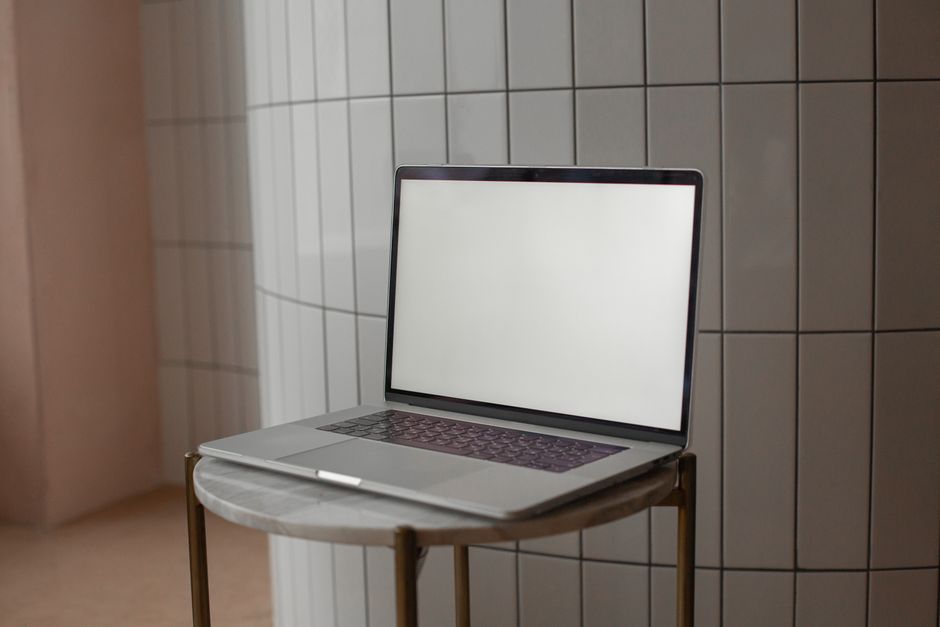
Detachable-keyboard laptops — sometimes called 2-in-1 detachables — sit in a genuinely interesting spot in the market. They promise the full functionality of a laptop and the clean simplicity of a tablet in a single device. That promise is real, but it comes with trade-offs that most spec sheets quietly skip over. Before you hand over several hundred dollars (or considerably more) for one of these machines, here is what you actually need to think through.
First, understand what "detachable" really means for performance. Because the main computing hardware lives in the tablet portion rather than the keyboard base, thermal headroom is tightly constrained. There is simply less physical space for cooling. This means that even a capable processor will often throttle under sustained loads — video rendering, large spreadsheets, extended gaming sessions — faster than the same chip would in a traditional clamshell. If your work involves brief, bursty tasks like note-taking, light document editing, or web browsing, a detachable can handle that comfortably. If you need sustained performance, be honest with yourself before buying.
Second, evaluate the keyboard before you commit. The keyboard on a detachable is almost always thinner and shallower than what you would find on a comparable conventional laptop. Key travel, flex, and overall rigidity vary enormously between manufacturers and even between product generations from the same brand. If possible, type on the physical unit before purchasing. If you are buying online, seek out hands-on reviews that specifically comment on typing feel rather than just listing specifications.
Third, check exactly what is included in the box. Some manufacturers include the keyboard cover and stylus in the purchase price; others sell them separately, sometimes for $100 to $200 or more each. That can shift the effective cost of ownership significantly. Always calculate the all-in price before comparing against traditional laptops.
Fourth, think about lap usability. Detachables with fabric keyboard covers tend to be less stable on a lap than rigid-hinge designs or conventional laptops. If you frequently work away from a desk — in transit, in meetings, or on a couch — this matters more than it might appear in a product video.
Finally, consider software and driver maturity. Touch-first operating modes, stylus latency, and display orientation logic have all improved substantially, but they still differ between platforms. Research whether the specific operating system build on the device you are considering has a strong reputation for detachable support, and check user forums for any recurring issues with the generation of hardware you are evaluating.
A detachable done right is a genuinely versatile tool. Going in with clear eyes about its limits means you will actually enjoy it.